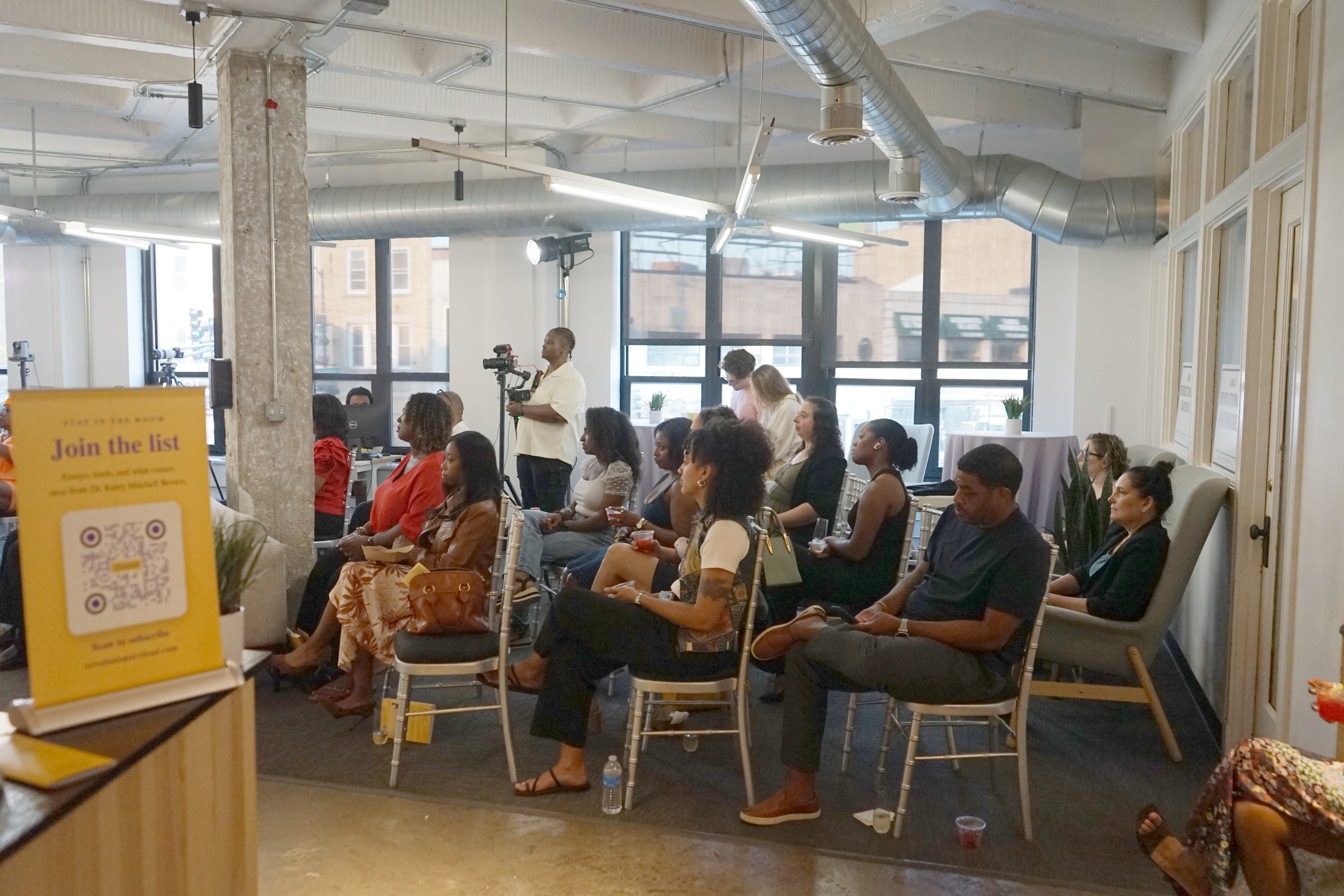
Tuesday night, August 4, in a room in Wicker Park.
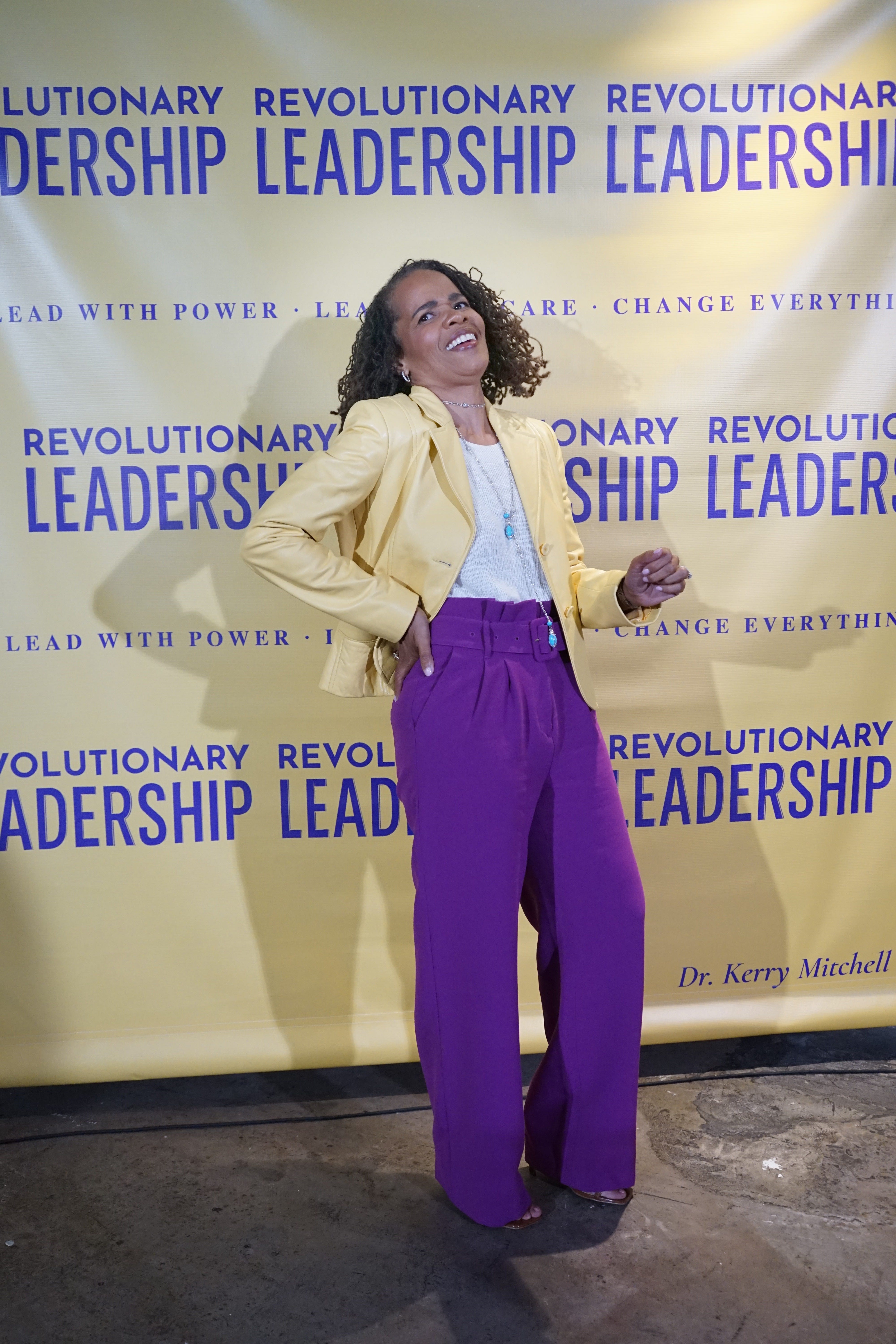
About sixty people. A waitlist. Purple light. Books stacked on a table by the door. Music playing before anyone spoke. Champagne. The room smelled like early summer even though we were deep into it.
Not a reading. Not a panel. The book had just published that morning through Entrepreneur Books, but that is not what the night was about. The night was about what happens when Black women decide to gather.
I have written for twenty years about what Black women build when the system does not build for us. Two longitudinal studies. Over 600 women across both. Regression models. Statistical significance. The whole methodological architecture.
None of that is what the room was.
The room was the argument.
Who Was There
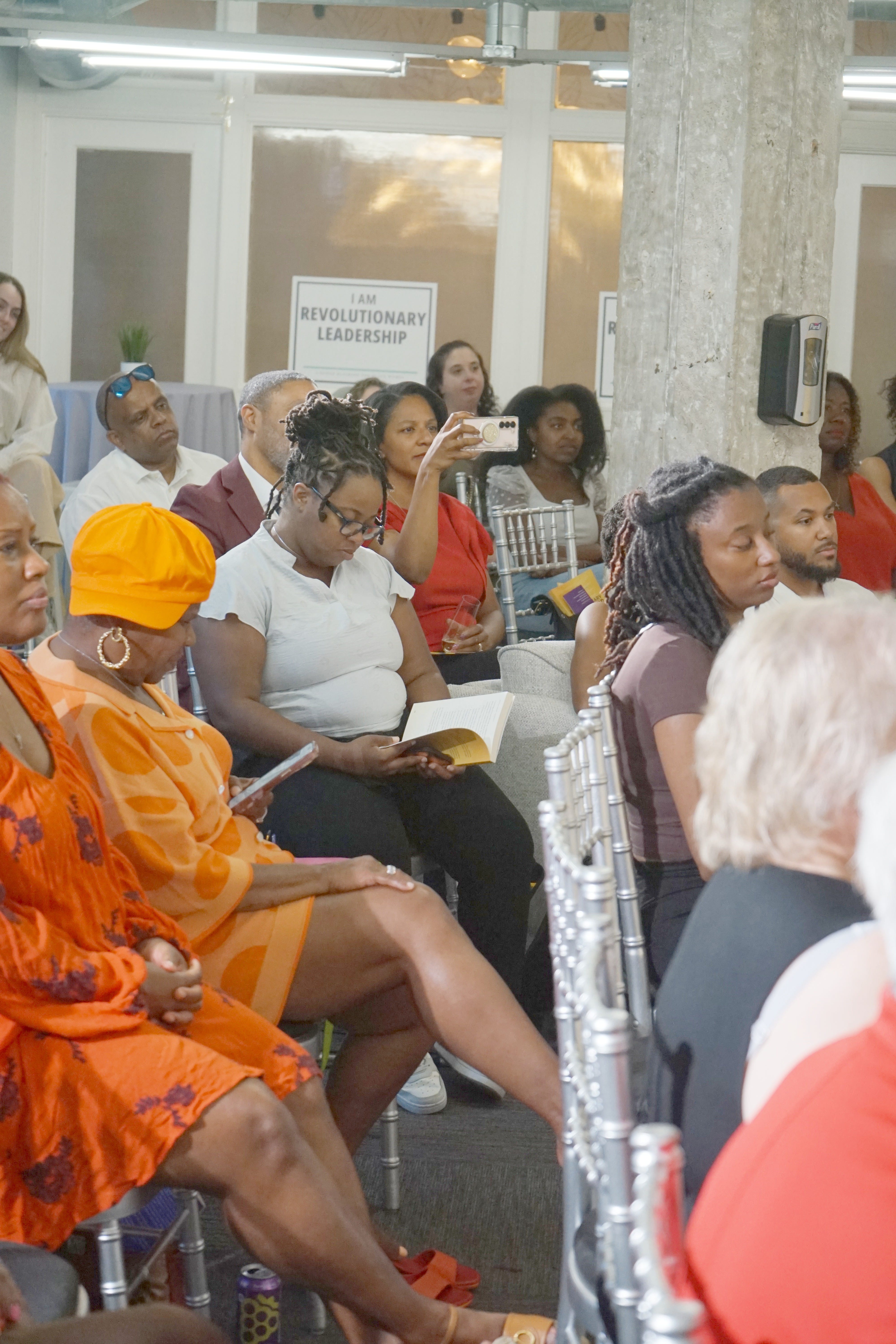
Colleagues from three careers ago. Women I studied fifteen years ago in the first dissertation. Women I met last month. Friends who bought bulk copies for their teams. Strangers who came because a friend told them to. Black women from every part of the professional ecosystem. Some in leadership roles they built themselves. Some between roles. Some who left roles they refused to keep paying the tax for.
My daughter was there.
The book is called Revolutionary Leadership: A Power Playbook for Black Women. It documents twenty years of research on how Black women lead when the systems around us are not designed for our leadership. What the room said back to me on Tuesday is that the research was never separate from the practice. The women in that room were the research. Some literally. Some by inheritance. All of them by the way they moved through the evening.
What Someone Said
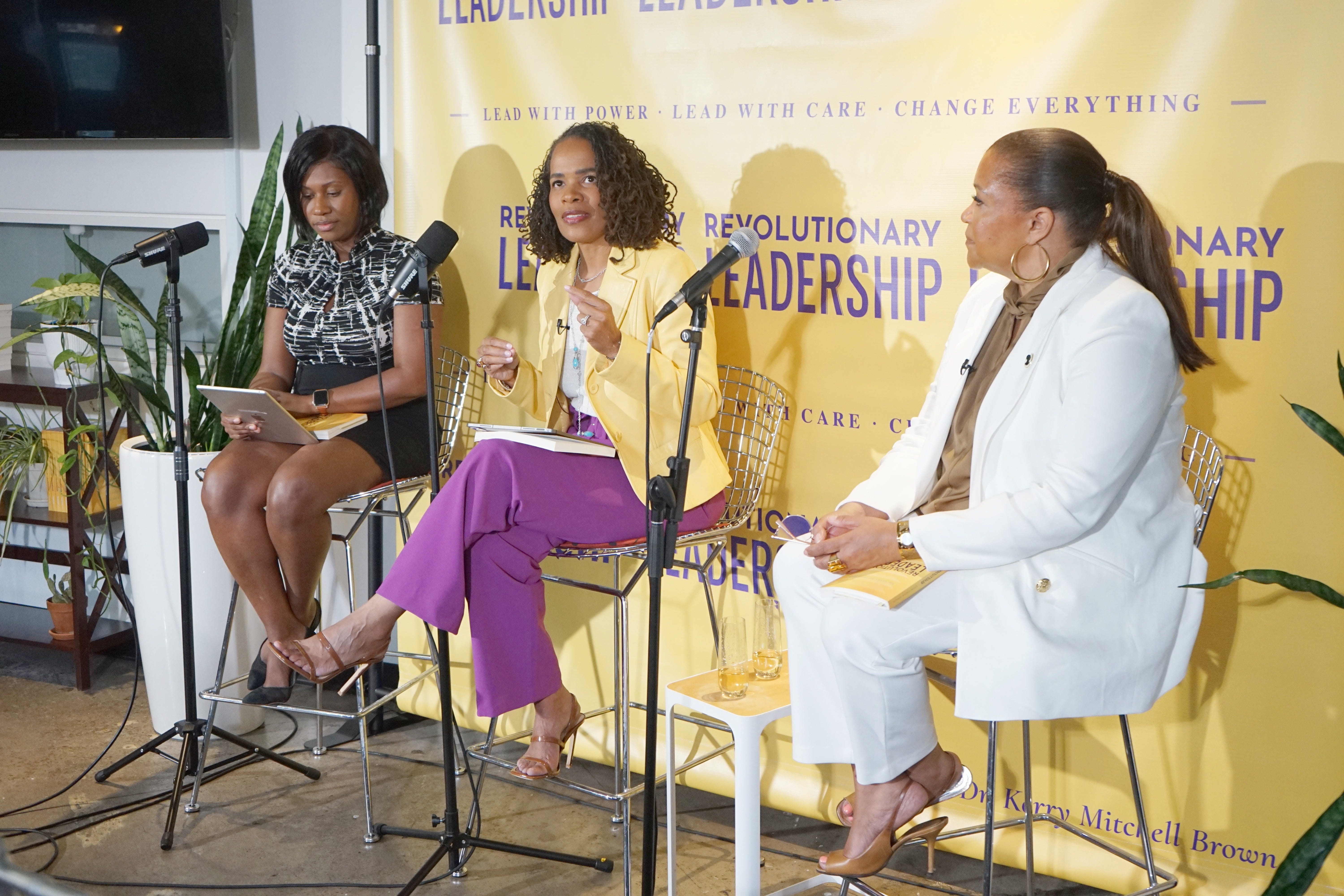
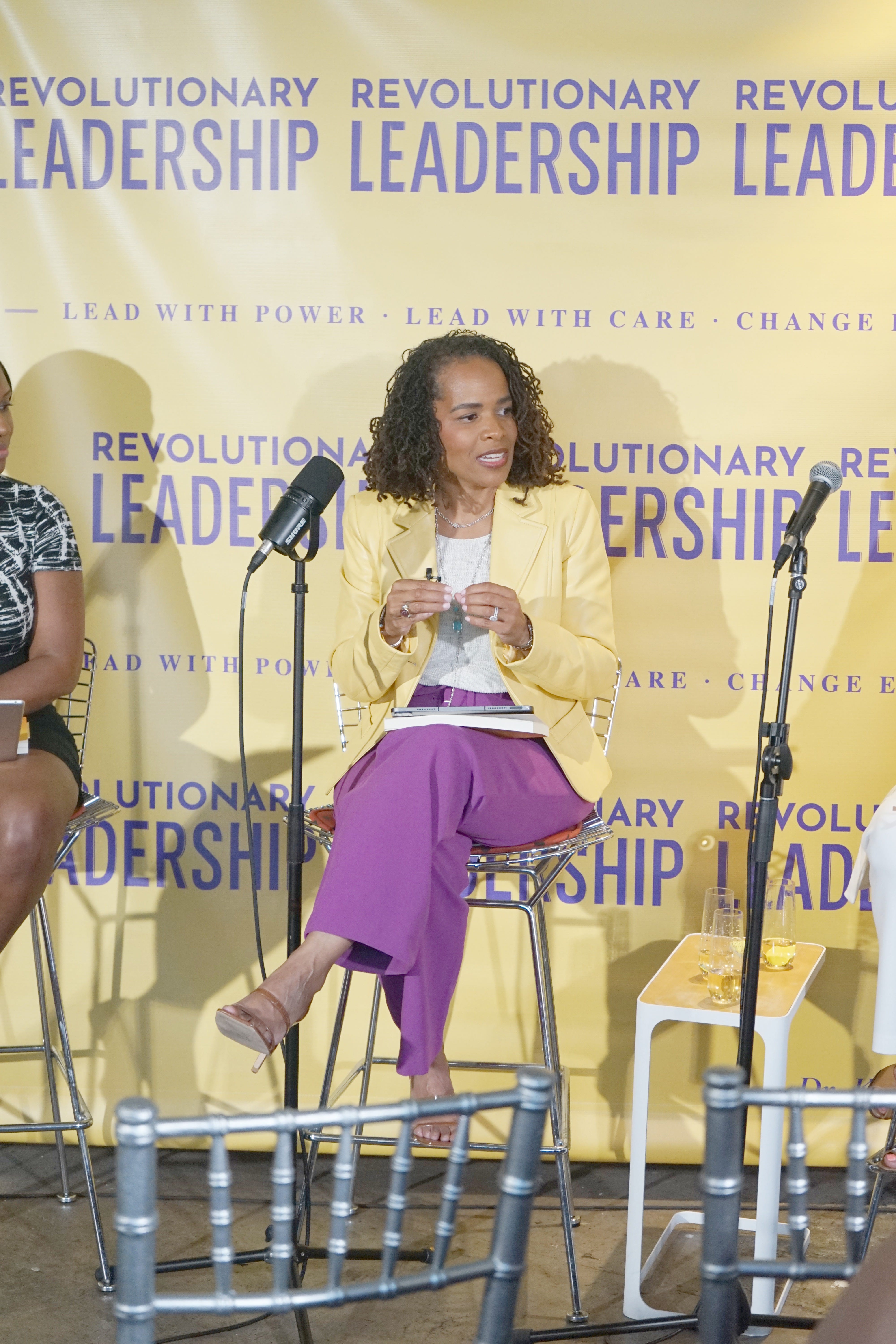
Sasha-Ann Simons of WBEZ moderated. Leilani M. Brown, CEO of , was in the conversation with me.
Leilani said something that has been sitting with me since.
We know us when we see us. We know what it took to get to that place. And so the group chat is on fire. When a certain person leaves Walgreens, or a certain person leaves Netflix, we literally are on the group chat quietly talking about, I know what it took to get there, and now they’re dispossessed of this person, as if they were never there.
— Leilani M. Brown
That is the private conversation Black women have with each other about the professional world. On Tuesday, we said it out loud. In a room. Together.
The group chat came into the room.
What I Said
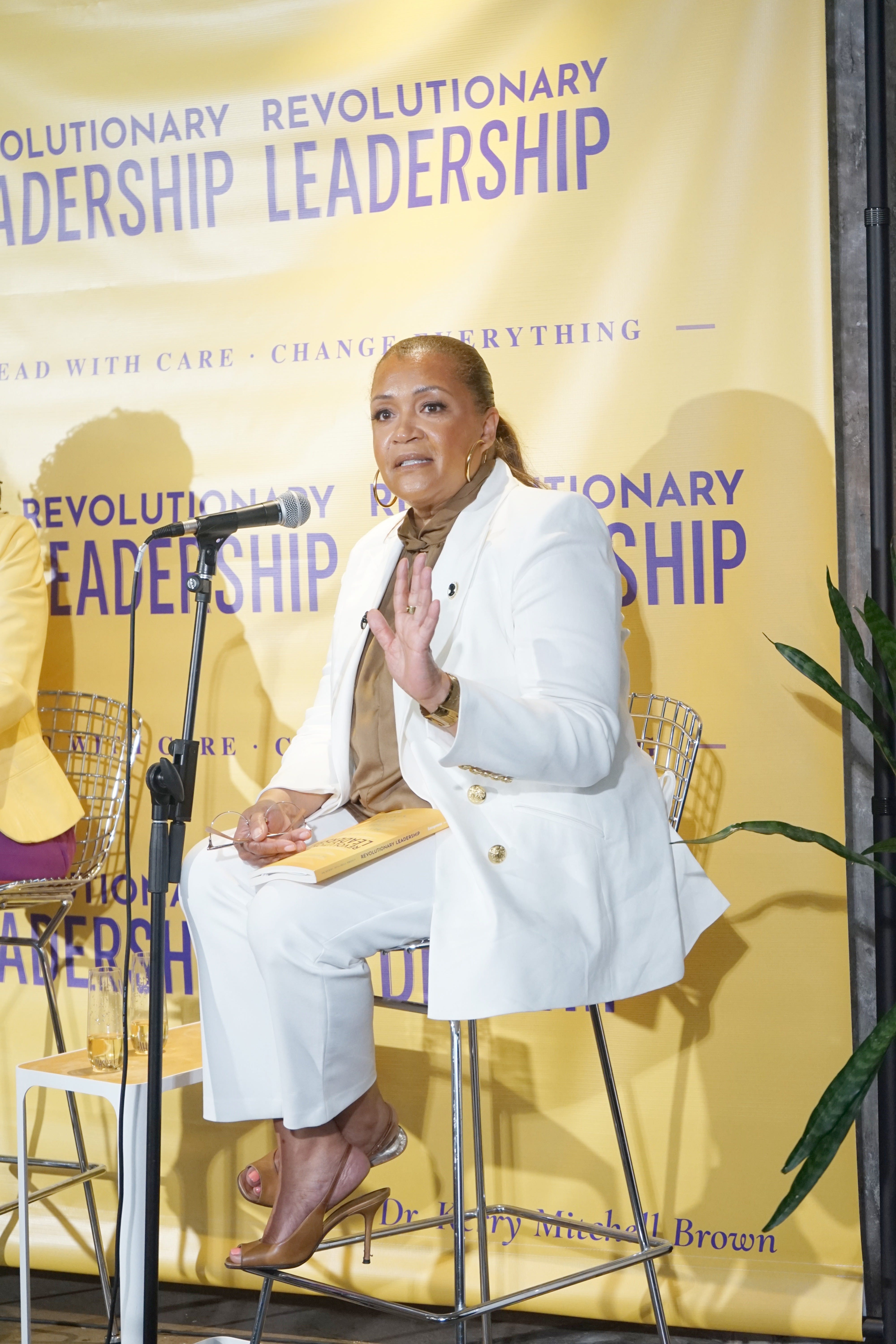
The moment I did not plan came near the end. Someone in the audience asked a question, and I answered.
You were never the problem. The instrument was.
When we walk into rooms, there is always a yardstick to measure our impact, measure the return on the investment, measure how much people like you. And the stick was never there to measure us.
The room went quiet. Then it did not.
I have been carrying the analytical version of that sentence for twenty years. What the room did was give me permission to say it as a sentence, not as a footnote to a regression table.
The Finding I Am Still Sitting With
There is one finding from the research that people ask me about more than any other. It came up Tuesday and I want to name it here for the people who were not in the room.
The women in my studies with the most care responsibilities were the most successful.
Not despite the care. Because of it.
She didn’t waste time. She didn’t live like she had unlimited capacity. So she decided who she was going to show up for, who was going to get her energy.
The dominant narrative treats caregiving as a drag on advancement. The data says otherwise. Care builds strategic precision. Care sharpens focus. Care builds executive skills the field does not know how to name because the field is not looking where Black women are working.
The question that has been nagging at me since my early twenties is this: as Black women, can we do it all, or do we just lose time?
The answer is yes we can. But not at the same time, and not alone.
That is the book, in one sentence.
What the Room Confirmed
I have been saying for two decades that Black women build leadership infrastructure that most institutions do not know how to see. Community as strategy. Care as competency. Collective power as measurable, not soft.
Tuesday night, sixty people showed up on a weekday, in a room in Chicago, for a book about that argument. That is not a book launch. That is the argument in action.
Care as infrastructure means people show up for each other. The room showed up.
Community as strategy means people bring the people who need to be there. The room brought each other.
Collective power as competency means the room does not need one person to hold the weight of the evening. The room holds itself.
The book is out now. The research is what it is. But the strongest evidence I have for the framework I have built is not the regression coefficients. It is the room on Tuesday.
What Is Next
Season 1 of the Revolutionary Leadership podcast wrapped in July. Season 2 begins in September. The Blueprint Circle, the paid tier of this Substack, is where the deeper work lives. The book is available at revolutionarylead.com, in bookstores, and everywhere books are sold. Order from a Black-owned bookstore if you can.
To everyone who was in the room on Tuesday: thank you. To everyone who was not: this Substack is where the work continues.
Lead with power. Lead with care. Change everything.
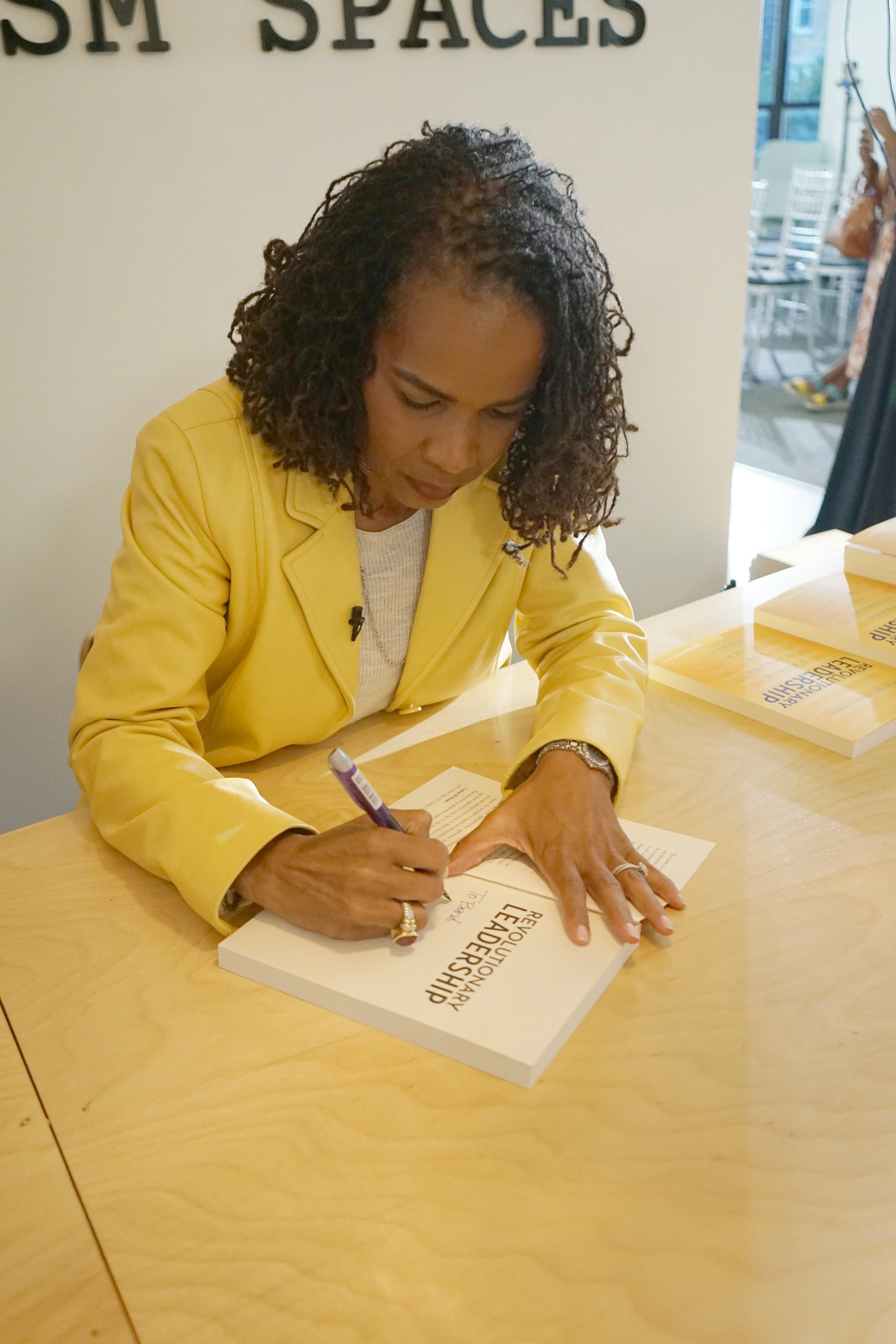
Dr. Kerry Mitchell Brown is the author of Revolutionary Leadership: A Power Playbook for Black Women (Entrepreneur Books, CEO of kmb Consultancy, and host of the Revolutionary Leadership podcast.
Photography by Dee Williams
Revolutionary Leadership: A Power Playbook for Black Women available now at revolutionarylead.com.
Listen to the podcast on Apple Podcasts, Spotify, Amazon Music, Castbox, or YouTube.
Join The Blueprint Circle — founding membership $120 for life, capped at 100 members. After that, it closes permanently. revolutionarylead.com