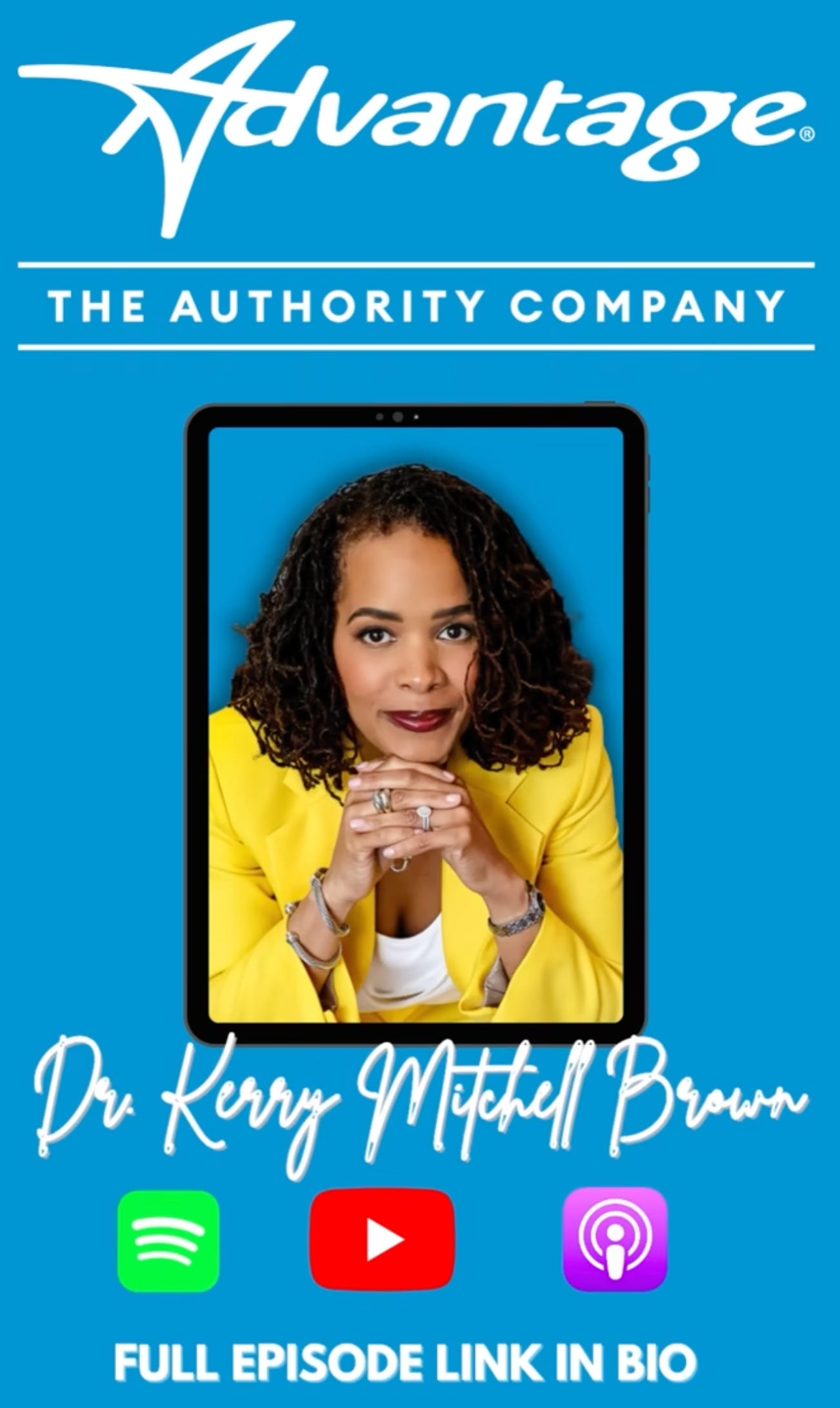
Joe Pardavila asked me something on his podcast that I have not stopped thinking about since.
We were talking about the moment leadership finally admits there is a retention problem. The meeting where someone says, out loud, we have trouble keeping Black women on this team. I told him about a meeting like that. I was in the room. I looked Black when I left my house that morning. I looked Black sitting in that meeting. And not one person turned to me and asked what keeps you coming back every day.
The Market Research We Never Run
Companies will not invest a dollar in a new product without testing the market first. Surveys. Focus groups. Months of research before a single unit ships. Nobody wants to guess wrong with real money on the line.
Then the same companies will build a retention program, a leadership pipeline, an entire DEI strategy, based on what they assume Black women need. Not what Black women have told them. What they assume.
Joe told me about a post he had seen on LinkedIn. An executive who had spent years at a major tech company, watching his own name and the company’s name do the work for him. Send a note, get a reply within seconds. Then the layoffs came for his department. The same people who used to answer him instantly stopped replying. Not slower. Not eventually. Never again.
That is what happens when access gets mistaken for relationship. If you are useful to someone, you are in their network. The moment you stop being useful, you are not. Nobody says that part out loud, but everyone who has lived it already knows it.
Here is the line I gave Joe, and I want to give it to you too. Stop designing programs for Black women and start learning from them. Every intervention that actually moves the needle starts from the same place. Genuine curiosity about what Black women already know. Not what they need to be taught. What they have already figured out that nobody else has bothered to name.
Light Years Behind
Joe brought up exit interviews. The industry standard for finally asking someone what went wrong, timed perfectly for the one moment they have the least reason to answer honestly.
Why wait? If you are only getting real information when someone is already walking out the door, you are not getting information. You are getting a formality.
I told him plainly. If you are not talking to the people who are staying, right now, today, you are clearly light years behind.
Redesign, Not Survival
We talked about the Rooney Rule too. Joe raised it first, the NFL’s attempt to force more Black coaches into head coaching interviews. It is flawed. It is also the closest thing professional sports has to admitting the real problem out loud. There was no pipeline. Most head coaches get hired because they were successful assistant coaches, and for decades there simply were not enough Black assistant coaches in position to become the next hire.
That is not a talent problem. That is a design problem. Design problems do not fix themselves with a mentorship program bolted on the side.
I hold that systems are perfectly designed to get what they get. If you want different results, you need structural redesign, not better intentions layered on top of the same structure.
This book really is not about surviving broken systems. This book is about building better ones.
What the Research Actually Found
Twenty years of research. Two studies. Over 600 Black women. One finding I keep coming back to, because it undoes almost everything we were taught to believe about ourselves.
The barrier was never care. The barrier was how systems measured it.
Caregiving in whatever form it took, mothering, elder care, the invisible logistics of holding a family together, did not reduce advancement. It did not reduce how successful these women felt. It changed how they pursued advancement, and the skills caregiving built, anticipation, coordination, crisis navigation, resource allocation with zero margin for error, are the exact skills organizations pay consultants to teach in leadership programs. We were teaching ourselves the whole time. Nobody was calling it that.
Before-School Care, After-School Care, Chicken Pox Care
Joe asked about community, and I told him something that still surprises people when I say it out loud.
The community infrastructure many of us grew up inside does not exist the same way anymore. I went to my grandmother’s house before school. I went there after school. If I had the chicken pox, I was at my grandmother’s house. That was not a special arrangement. That was just how it worked.
It did not work that way for my own children. People move more than they used to. Fewer of us live near the family that once absorbed the gaps automatically. So the work of building that infrastructure back, on purpose, with people who are not obligated to show up for you by blood alone, has become its own discipline. I call it friend raising, and I am doing it right now, deliberately, for my own kids, because I know exactly what it costs to go without it.
For My Daughters
I dedicated this book to my daughters. Olivia Dante, and Sage Lillian. Here’s to you claiming your power and realizing your promise.
Olivia is 33. Sage is nine. There is a lot of space between them, and I told Joe something that has not left me since I said it. The playbook is still the same.
That is the whole bet underneath this book. Not that the world changes fast enough to make the playbook obsolete. That the playbook holds, generation to generation, because it was never about the era. It was about us.
Listen to the Full Conversation
Joe Partabila and I covered all of it on the Authority Company Podcast, under the Forbes labels umbrella. Friend raising versus transactional networking. What changed for the better between 2010 and 2025. What it means to build an instrument instead of asking to be measured by someone else’s.
Listen here.
Lead with Power. Lead with Care. Change Everything.
Revolutionary Leadership: A Power Playbook for Black Women available now at revolutionarylead.com.
Listen to the podcast on Apple Podcasts, Spotify, Amazon Music, Castbox, or YouTube.
Join The Blueprint Circle — founding membership $120 for life, capped at 100 members. After that, it closes permanently. revolutionarylead.com