
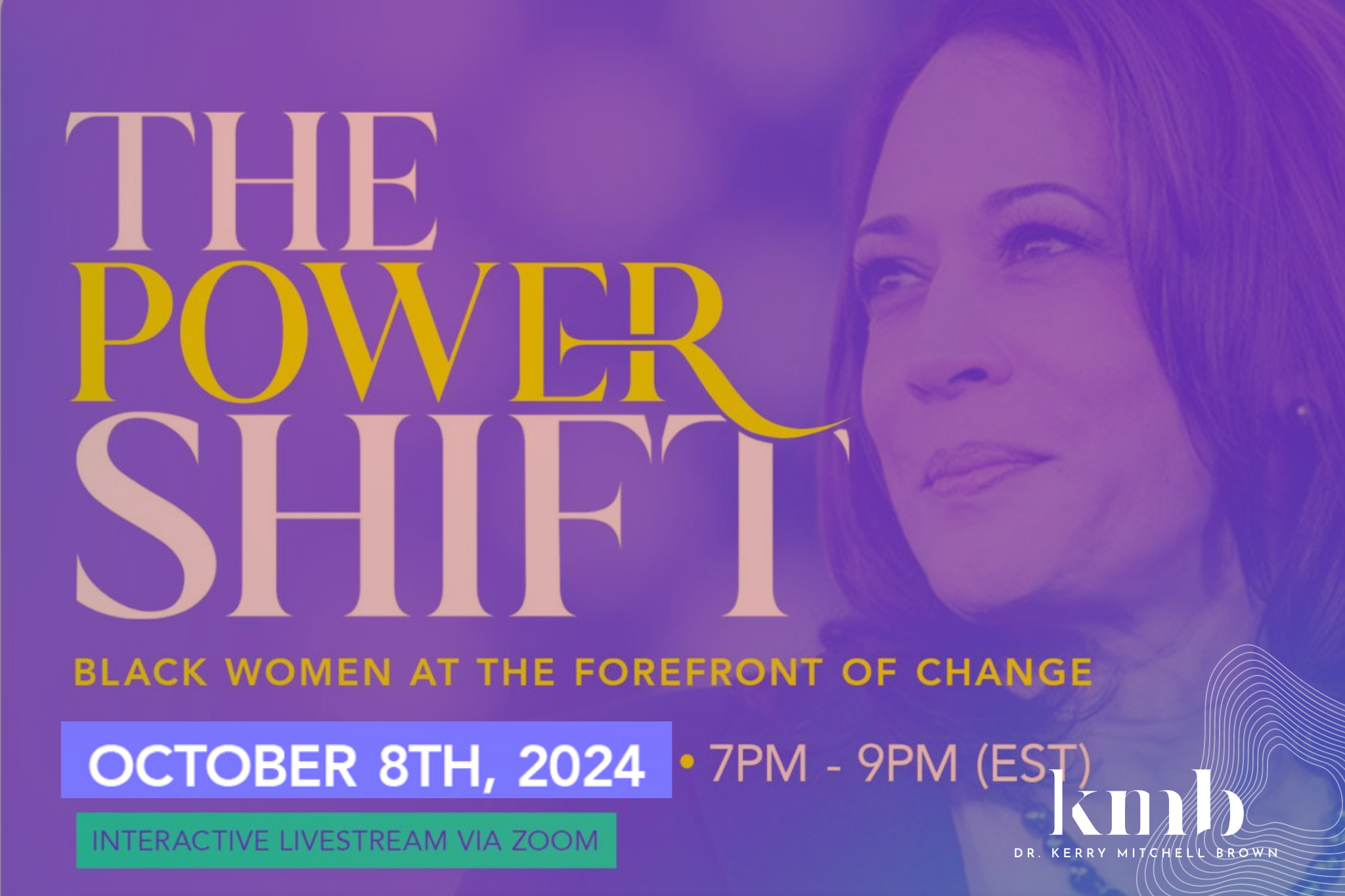
Just over 60 days ago, a seismic shift occurred in U.S. political leadership, ushering in a new era of representation and empowerment. Black women have emerged at the forefront—not just as leaders but as pioneers—redefining what leadership means in this pivotal moment in history.
Though their contributions are only now being fully spotlighted, this transformation has been years in the making. It is deeply rooted in politics, economics, activism, education, and culture. The indomitable spirit of Black women, forged through centuries of resilience and systemic oppression, is once again reshaping our world in profound and lasting ways.
A Legacy of Resilience
The ascent of Black women into leadership roles is no coincidence. It is grounded in their historical experiences of enduring and overcoming adversity. From the horrors of enslavement to ongoing battles with systemic racism, Black women have cultivated unparalleled strength, tenacity, and adaptability.
Icons like Rosa Parks, Fannie Lou Hamer, and Ella Baker exemplify this resilience. Their organizing efforts during the Civil Rights Movement laid the groundwork for freedoms we value today.
Black Women Entrepreneurs: Building Power Through Business
When traditional employment sectors shut them out, Black women turned to entrepreneurship. Figures like Madam C.J. Walker, America’s first female self-made millionaire, created empires against all odds.
Today, Black women are the fastest-growing group of entrepreneurs in the U.S., generating $98.3 billion in revenue and employing 528,000 workers in 2023. This entrepreneurial spirit represents more than profit—it creates pathways for economic empowerment, fairness, and inclusivity.
Cultural Innovation and Influence
Beyond economics, Black women have been at the heart of cultural change. From the Harlem Renaissance to today’s arts and media, their contributions to music, literature, and art have challenged norms and redefined American culture.
Their voices and creativity shape identity, spark dialogue, and inspire future generations to think critically about justice and representation.
Education and Political Leadership
Despite barriers to education, trailblazers like Mary McLeod Bethune and Shirley Chisholm achieved groundbreaking successes that opened doors for others.
In politics, milestones such as Kamala Harris’s historic election as Vice President and Ketanji Brown Jackson’s appointment to the Supreme Court highlight the necessity of diverse voices in leadership. These wins are not symbolic—they show the transformative power of inclusive leadership.
Barriers in Corporate America
While Black women are rising in politics, culture, and entrepreneurship, they remain underrepresented in corporate leadership. Today, only two Black women lead Fortune 500 companies—a missed opportunity for businesses to benefit from their perspectives and innovation.
Still, the next generation is prepared. In the last 20 years, 65% of master’s degrees in business earned by Black students went to Black women. This positions them as a formidable force in shaping the future of business.
Driving Social Change
Across the U.S. and globally, Black women lead as nonprofit executives, board members, doctors, elected officials, educators, and entrepreneurs. They operationalize Diversity, Equity, and Inclusion (DEI) initiatives that make workplaces more inclusive and society more equitable.
Leaders like Ursula Burns, former CEO of Xerox, emphasize the importance of long-term commitment to leadership development. Preparing Black women for succession means investing now in their growth and expertise.
Why Supporting Black Women Leaders Matters
Supporting Black women in leadership is not just about identity—it is about the unique qualities they bring to the table: empathy, resilience, innovation, and deep community understanding.
By investing in Black women, we:
- Strengthen economies through entrepreneurship.
- Drive progress in education and politics.
- Ensure diverse representation in corporate leadership.
- Create inclusive communities where everyone thrives.
It’s time to recognize, celebrate, and elevate the contributions of Black women. Their legacy of resilience and leadership has already reshaped America—and their future impact will define the next era of progress.
Let’s continue to invest in their leadership, provide resources and opportunities, and ensure their voices are heard and valued. Together, we can build a future that thrives on diversity, collaboration, and innovation.
Join the conversation. Share your thoughts, ask your questions, and commit to uplifting Black women leaders who are shaping history today.