
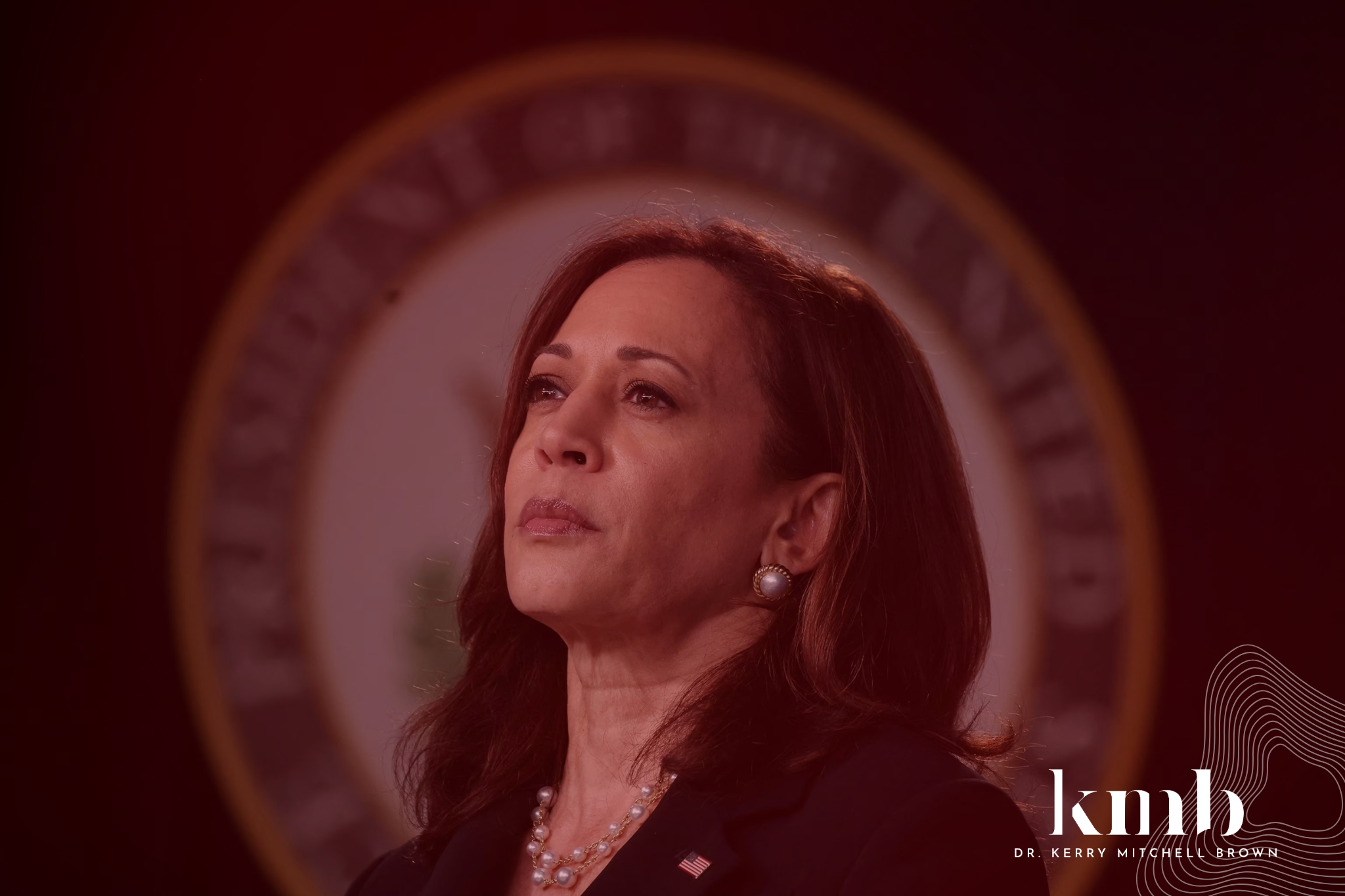
We Don’t Have the Permission to Take It Personal

The recent loss of Kamala Harris to Donald Trump in the race for the 47th presidency transcends politics. It strikes a profound chord with Black women nationwide, echoing as a reminder of historical injustices and systemic barriers that still overshadow progress.

For many, Harris’s candidacy was not only a political milestone but also a beacon of hope for a more inclusive and compassionate future. As the first Black woman and the first person of South Asian descent to run for president on a major party ticket, her presence symbolized progress and representation. Yet, her defeat reveals the unrelenting grip of racism, sexism, and misogynoir that continues to shape American society.


The Weight of Double Standards

From the start, Kamala Harris faced a glaring double standard. Much like Hillary Clinton in 2016, she was met with a level of disrespect rarely shown to her male counterparts.

  • She was often referred to only by her first name.
  • At times, she was even misnamed.
  • Her qualifications were questioned despite a proven record.

These subtle but powerful signs reflect broader biases. Women—and especially Black women—are too often denied the dignity and respect their peers receive. This underscores the urgent need for systemic change in how political leaders are discussed and represented.


A Painful Reflection of Society

This election unveiled an uncomfortable truth: despite Donald Trump’s track record, he was chosen over a qualified candidate like Harris. Even more troubling were the voices dismissing her accomplishments and questioning her legitimacy.

The outcome raises critical questions:

  • Did voters fail to engage with accurate information?
  • Or does this result reflect the spread of pervasive misinformation?

For Black women watching, the message was clear. Once again, our contributions were minimized, our leadership dismissed.


The Broader Struggle for Black Women in Leadership

Kamala Harris’s journey mirrors the challenges faced by countless Black women in leadership. The barriers she encountered highlight systemic inequities that extend far beyond politics.

  • Like Barack Obama, she endured heightened scrutiny.
  • Unlike her male counterparts, her gender and race intersected to create unique challenges.
  • Misogynoir shaped the lens through which her leadership was viewed.

This moment should be a wake-up call. Much like the suffragette movement of the 20th century, it reminds us that the fight for equity is far from over.


Turning Setbacks Into Strength

While Harris’s loss is painful, it must not be seen as defeat. For Black women, it is an invitation to regroup, refocus, and recharge.

This is the time to:

  • Invest in ourselves.
  • Pursue entrepreneurship and launch businesses.
  • Uplift and mentor fellow Black women.
  • Engage deeply in politics, social justice, and transformative initiatives.

Through this, we not only heal but also build stronger networks that empower future generations.


Community, Resilience, and the Path Forward

Black women have always thrived despite disappointment. We create supportive spaces where voices are heard, experiences are shared, and growth is collective. Harris’s candidacy—though ending in loss—remains a powerful reminder of our strength, brilliance, and unyielding spirit.

The journey of Black women in politics and leadership continues to inspire. We owe it to ourselves, and to the trailblazers before us, to carry the fight forward. Our worth does not depend on external validation. It is inherent and undeniable.

Kamala Harris’s campaign may have ended, but her impact remains. This moment challenges us to:

  • Demand respect and recognition.
  • Create spaces where diverse leadership is possible.
  • Advocate for systemic change.

The time for transformation is now. By uplifting each other, taking action, and refusing to be silenced, we honor the struggles of the past and build a more equitable future.

Our resilience is our superpower. The journey continues—with us.

We Don’t Have the Permission to Take It Personal

The recent loss of Kamala Harris to Donald Trump in the race for the 47th presidency transcends politics. It strikes a profound chord with Black women nationwide, echoing as a reminder of historical injustices and systemic barriers that still overshadow progress.

For many, Harris’s candidacy was not only a political milestone but also a beacon of hope for a more inclusive and compassionate future. As the first Black woman and the first person of South Asian descent to run for president on a major party ticket, her presence symbolized progress and representation. Yet, her defeat reveals the unrelenting grip of racism, sexism, and misogynoir that continues to shape American society.


The Weight of Double Standards

From the start, Kamala Harris faced a glaring double standard. Much like Hillary Clinton in 2016, she was met with a level of disrespect rarely shown to her male counterparts.

  • She was often referred to only by her first name.
  • At times, she was even misnamed.
  • Her qualifications were questioned despite a proven record.

These subtle but powerful signs reflect broader biases. Women—and especially Black women—are too often denied the dignity and respect their peers receive. This underscores the urgent need for systemic change in how political leaders are discussed and represented.


A Painful Reflection of Society

This election unveiled an uncomfortable truth: despite Donald Trump’s track record, he was chosen over a qualified candidate like Harris. Even more troubling were the voices dismissing her accomplishments and questioning her legitimacy.

The outcome raises critical questions:

  • Did voters fail to engage with accurate information?
  • Or does this result reflect the spread of pervasive misinformation?

For Black women watching, the message was clear. Once again, our contributions were minimized, our leadership dismissed.


The Broader Struggle for Black Women in Leadership

Kamala Harris’s journey mirrors the challenges faced by countless Black women in leadership. The barriers she encountered highlight systemic inequities that extend far beyond politics.

  • Like Barack Obama, she endured heightened scrutiny.
  • Unlike her male counterparts, her gender and race intersected to create unique challenges.
  • Misogynoir shaped the lens through which her leadership was viewed.

This moment should be a wake-up call. Much like the suffragette movement of the 20th century, it reminds us that the fight for equity is far from over.


Turning Setbacks Into Strength

While Harris’s loss is painful, it must not be seen as defeat. For Black women, it is an invitation to regroup, refocus, and recharge.

This is the time to:

  • Invest in ourselves.
  • Pursue entrepreneurship and launch businesses.
  • Uplift and mentor fellow Black women.
  • Engage deeply in politics, social justice, and transformative initiatives.

Through this, we not only heal but also build stronger networks that empower future generations.


Community, Resilience, and the Path Forward

Black women have always thrived despite disappointment. We create supportive spaces where voices are heard, experiences are shared, and growth is collective. Harris’s candidacy—though ending in loss—remains a powerful reminder of our strength, brilliance, and unyielding spirit.

The journey of Black women in politics and leadership continues to inspire. We owe it to ourselves, and to the trailblazers before us, to carry the fight forward. Our worth does not depend on external validation. It is inherent and undeniable.

Kamala Harris’s campaign may have ended, but her impact remains. This moment challenges us to:

  • Demand respect and recognition.
  • Create spaces where diverse leadership is possible.
  • Advocate for systemic change.

The time for transformation is now. By uplifting each other, taking action, and refusing to be silenced, we honor the struggles of the past and build a more equitable future.

Our resilience is our superpower. The journey continues—with us.